Featured research
Insights into adaptive structures with high-speed visualization
Adaptive materials and structures analyzed with Phantom cameras.
Application
Digital image correlation, impact, fracture and fatigue with frame-by-frame strain maps.
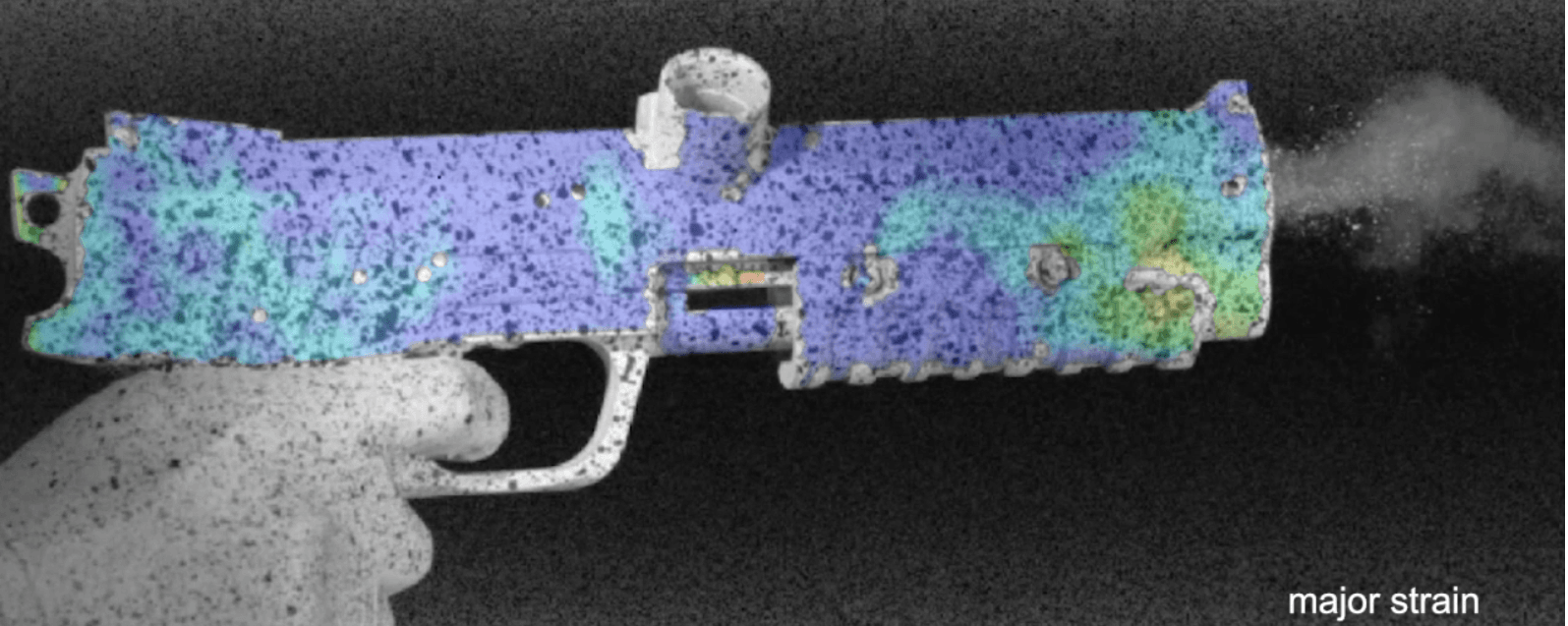
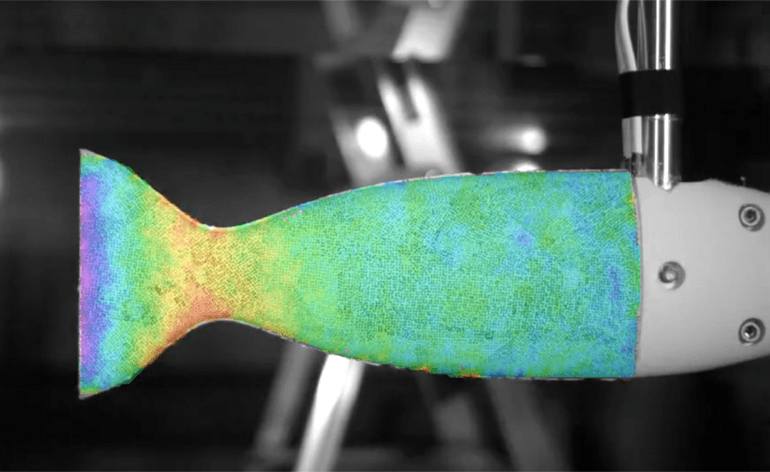
Dynamic materials tests (impact, Hopkinson bar, fracture) take place in microseconds and require stable images, with high resolution and low noise, so that the DIC software can extract reliable strain.
4.2 Mpx
with QE up to 88.7%
KT1240 and T4040 for dense strain maps.
Stereo
two synchronized cameras
3D DIC with a shared trigger.
Integration
with DIC software
Vision Research partnership with image correlation tools.
4.2 Mpx at 9,350 fps for dynamic tests.
88.7% QE and a compact body for the test bench.
High frame rate for Hopkinson bar and fracture.
High resolution and high QE for DIC in a compact body.
Featured research
Adaptive materials and structures analyzed with Phantom cameras.
The higher the resolution, the lower the uncertainty. 4.2 Mpx is the starting point for medium-sized specimens.