Featured research
Space welding research at Ohio State University
Phantom cameras record the dynamics of the arc in conditions that simulate space.
Read the full text: Space welding research at Ohio State University (opens in a new tab)
Application
Metal transfer, arc stability and the weld pool seen through the glare, with laser illumination.
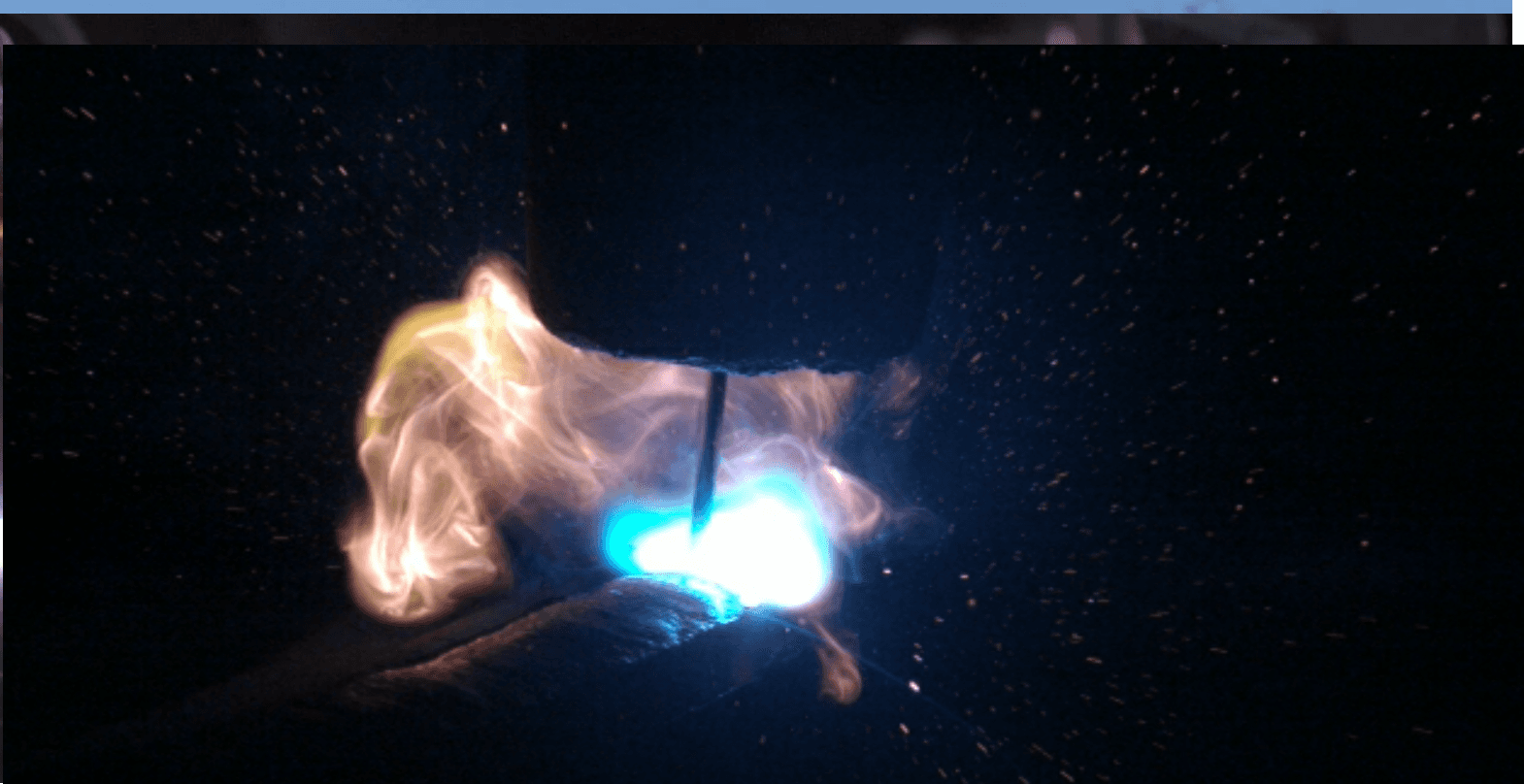
The arc is too bright for any ordinary camera, and droplet transfer happens in milliseconds. Seeing the weld pool, the wire and the droplet takes a high frame rate, a short exposure and laser illumination with a filter in the same wavelength band.
5,000 to 20,000 fps
for metal transfer
Droplets, short circuit and spray, frame by frame.
Laser
pulsed illumination
Eliminates the arc glare with a bandpass filter.
Compact
for robotic cells
KT and T-Series fit next to the torch.
High frame rate in a small body for the cell.
Compact and complete for a welding lab.
Entry-level model of the T-Series for research.
Featured research
Phantom cameras record the dynamics of the arc in conditions that simulate space.
Read the full text: Space welding research at Ohio State University (opens in a new tab)
Featured research
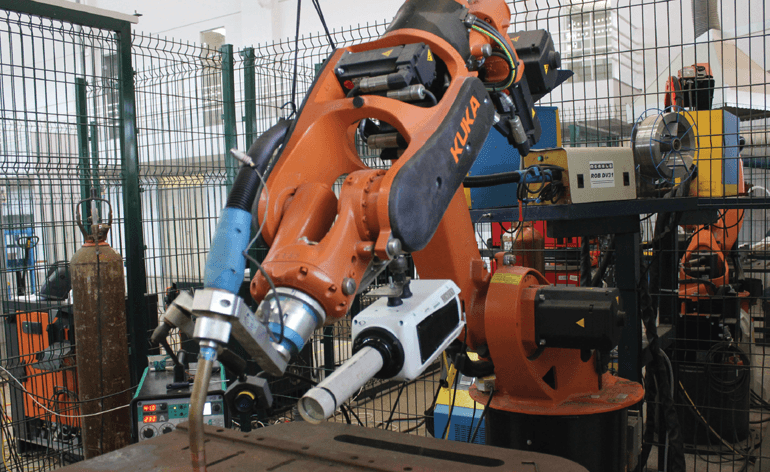
The LPTS, from the Department of Metallurgical and Materials Engineering at UFC, develops new arc welding processes and uses a Phantom v711 to record weld joints smaller than 1 mm in diameter, on manual and robotic equipment.
Yes. Pulsed laser illumination with a filter in the same band is what makes it possible to see through the arc.